How My Disability Justice Practice Had to Align with Fat Liberation for Representation
In that role, I often had Black, Indigenous, and racialized students doubt if they were eligible for registration with Accessibility Services, despite regularly seeing medical professionals for health issues that clearly limited their ability to pursue their learning. Over time, with each discussion with these students whose skin tones resembled mine, I came to realize that they too had implicitly come to perceive disabilities as "a white thing," likely because it was rare to see disabled representation of Black, Indigenous, and racialized folx, which posed a barrier to our self-identification as disabled. Personally, despite first navigating the debilitating impacts of Migraine Disorder since my teens, I did not begin to call myself disabled until multiple decades later.
By the time a global pandemic resulted in employers shifting to remote work in an attempt to flatten the curve in March 2020, I had begun to consider how I might be considered disabled, but had not yet come to claim that identity.
When unable to see my beloved chiropractor weekly for months, I struggled more with back pain, sleep issues, and migraines, which limited functioning, and made it abundantly clear that I had every reason to call myself disabled."
I would then write about being disabled in this essay for The Disability Visibility Project in 2021, as unpacking internalized ableism entails a far from linear journey, as you know if you have read this newsletter post from February.
Given my realizations about how limited representation of Black, Indigenous, or racialized disabled folx may hamper communities of colour from identifying as disabled, I was happy to write about my experiences.
Later that year, I was writing my first magazine feature that came with a budget for my disabled Canadian sources across multiple provinces to be photographed, but could not find a single Black, Indigenous, or racialized source willing to speak with me if being referenced by their real names, so I had both a Black source and a brown source who required aliases, therefore neither was comfortable with having their photos taken out of fear of it limiting their employment prospects.
Since my personal essay introduced the vignettes, my editor suggested that I could be photographed if I was open to that. I was my fattest I had been until then, and my most gray, with no salon visits while struggling to survive institutional violence at the hands of Accessibility Services at Canada's largest university, but I knew that despite my discomfort, this was an opportunity to embody Maya Angelou's practice of doing better when we know better, as my photograph could tangibly show that brown folx are also disabled, which would diversify disabled representation, and hopefully help more communities of colour to unpack their internalized ableism towards the final Disability Justice principle of Collective Liberation."
As you may already know, I did the photo shoot, and it was as uncomfortable as feared, as the photographer turned out to be a skinny white woman, which only reinforced why I needed to take up that space for better representation.
I wish I could tell you that I now love that photo much more than before, but I would be lying, so instead I will carry on the necessary work of learning, unlearning, and relearning for my Fat Liberation, which must accompany our Collective Liberation."
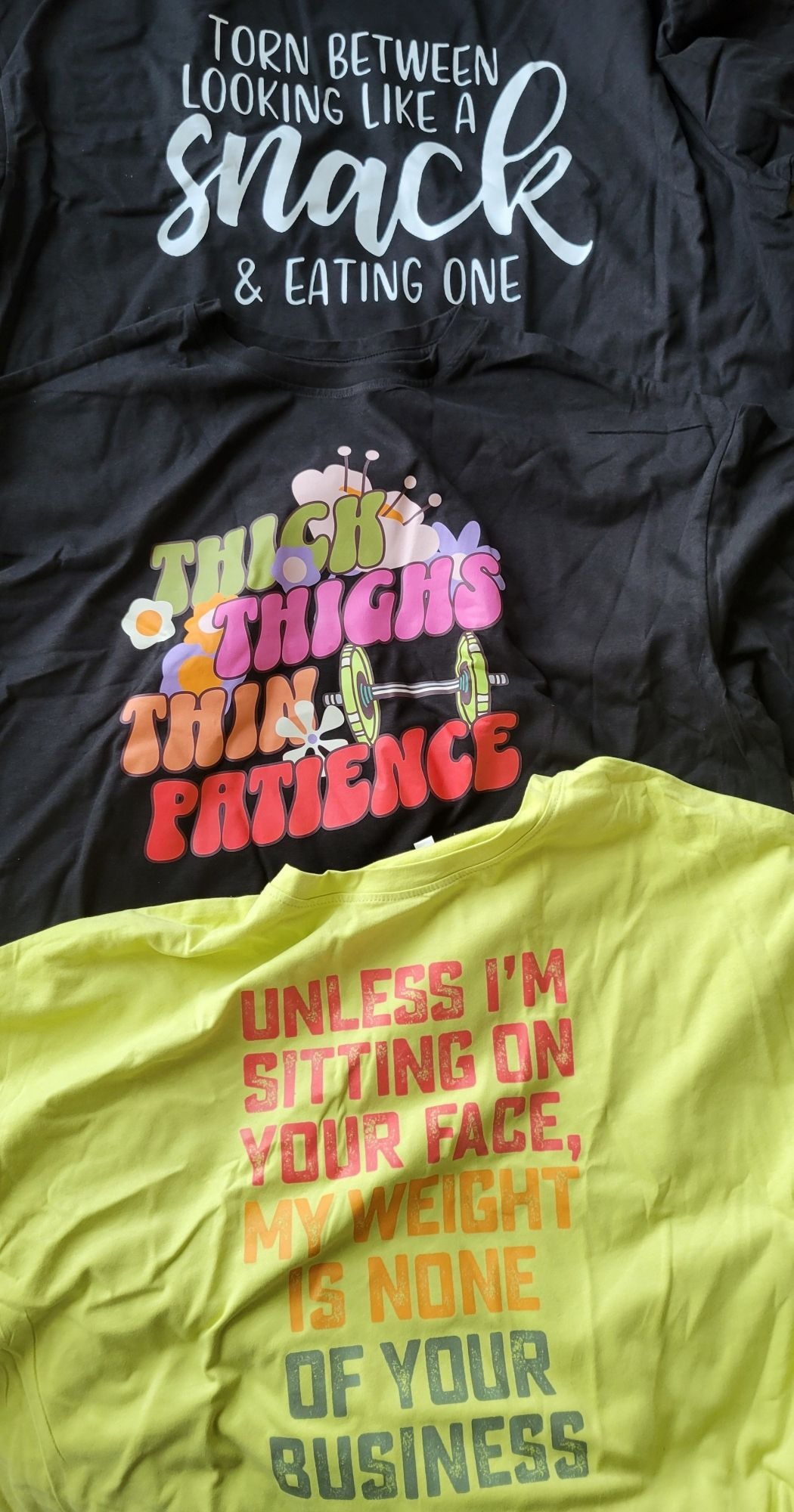
If you could benefit from some relevant book recommendations, here are a few titles in various genres that helped me to think more critically about the need for a month entirely dedicated to the Fat Liberation we all deserve:
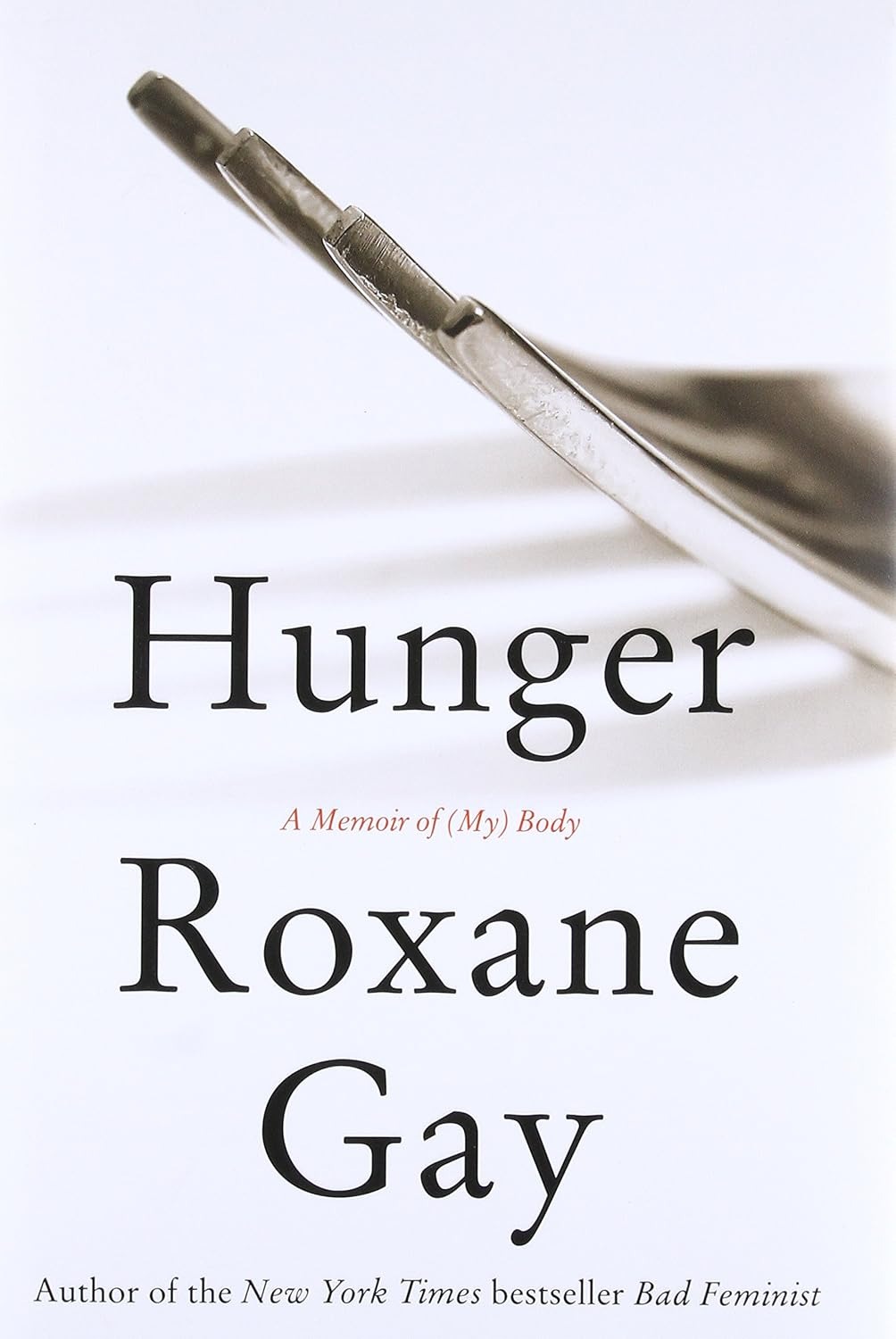
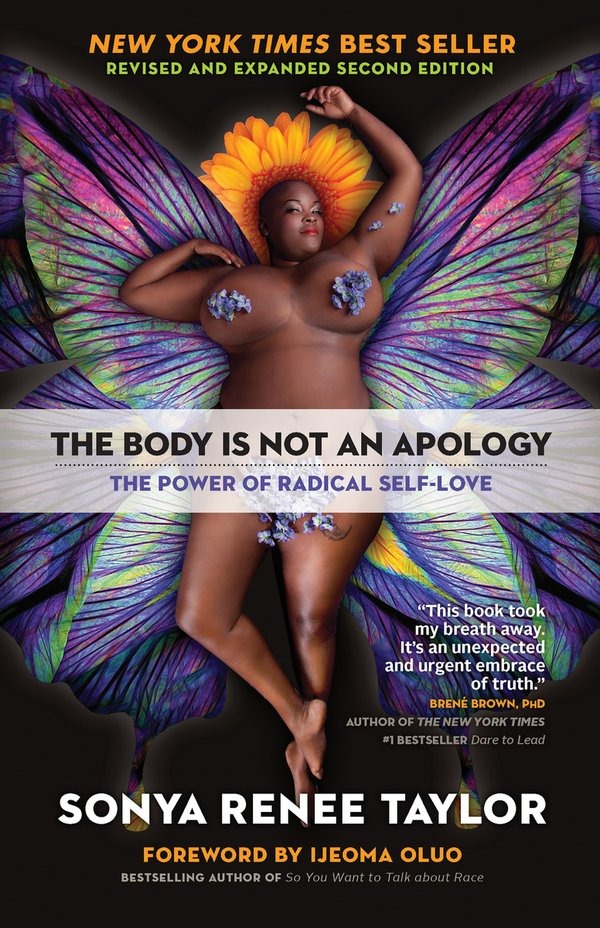
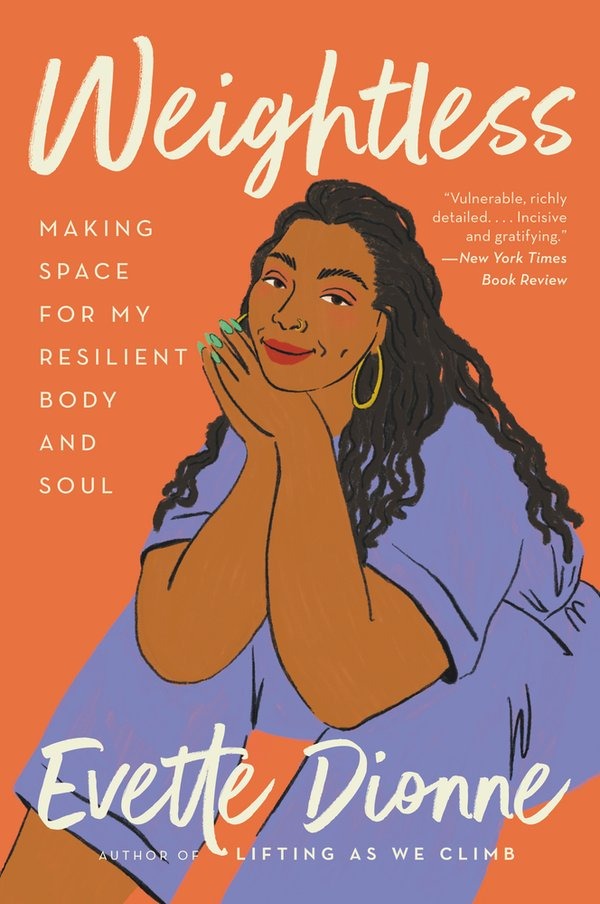
I am embarrassed to admit that I have yet to finish Professor Sabrina Strings' Fearing the Black Body: The Racial Origins of Fat Phobia or Da'Shaun Harrison's Belly of the Beast: The Politics of Anti-Fatness as Anti-Blackness, but it has been a rough couple of years since interviewing both of those authors for my 1st longform story for Prism, however I feel extremely confident about recommending their books based on those discussions:
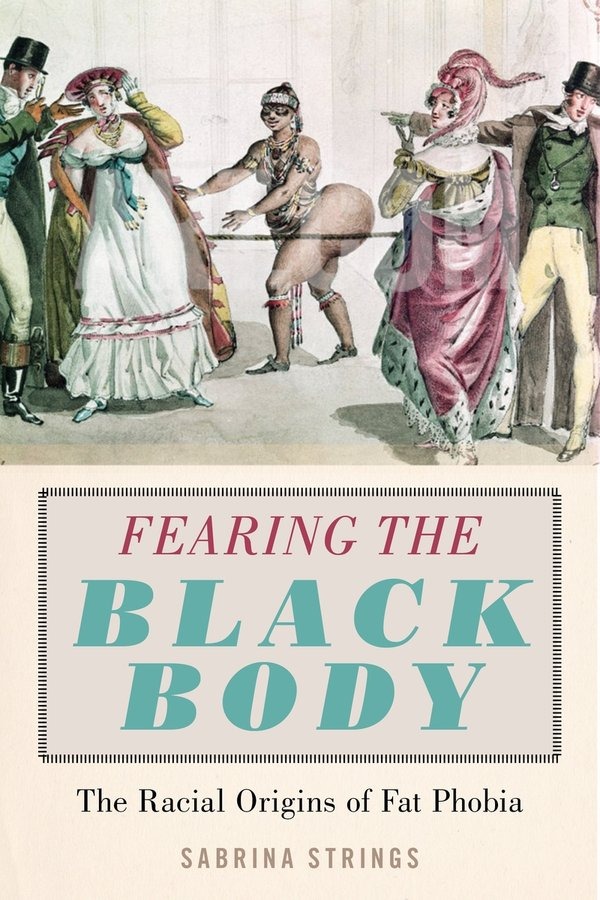
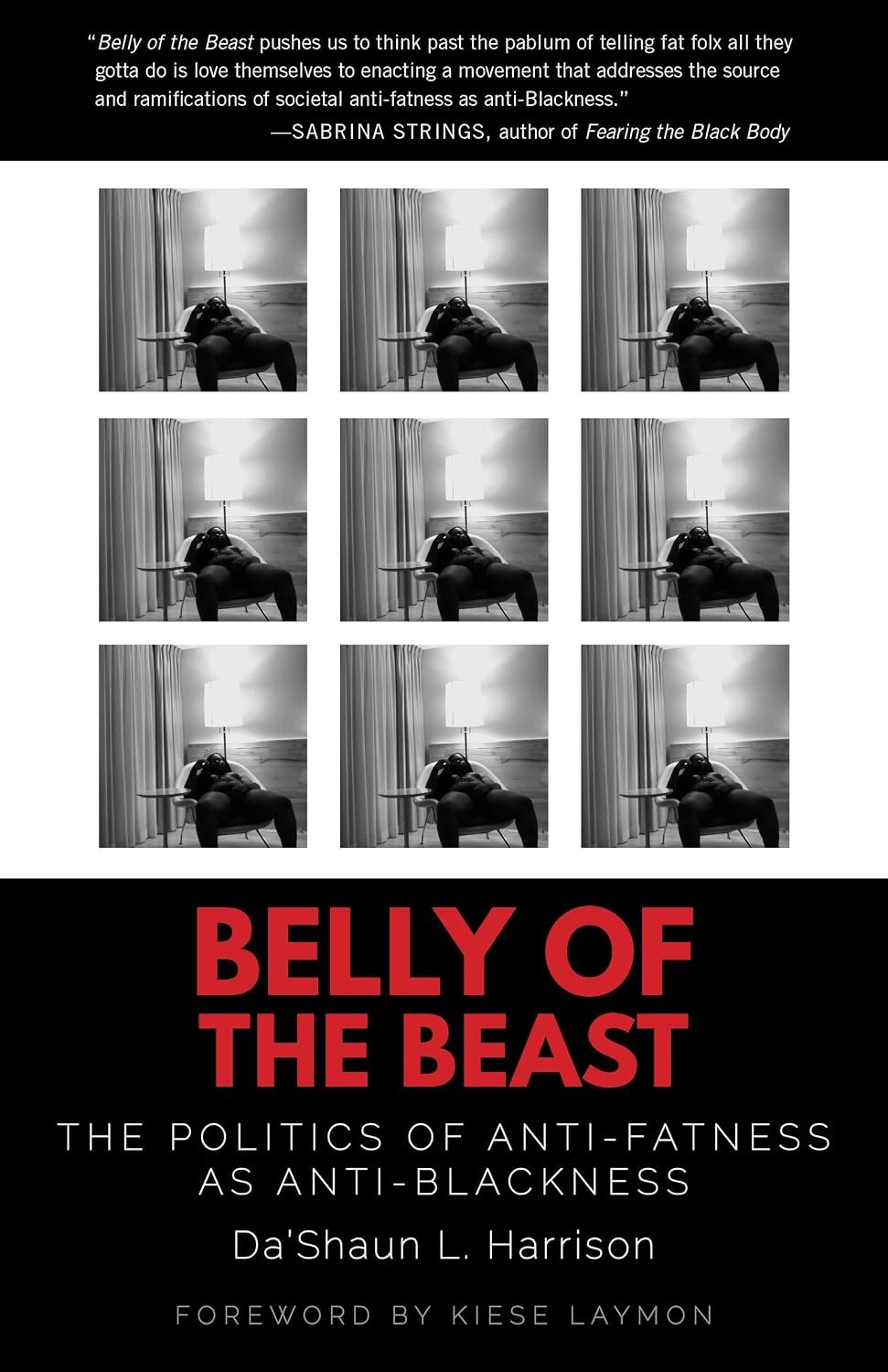
It would take me reporting on that story about how BIPOC LGBTQIA+ folx often fall through the cracks of mainstream eating disorder care to realize I had developed disordered eating in the aftermath of a fatphobic mother who weaponized her training as a dietician against me, food insecurity while surviving at least $183,364 in financial abuse at the hands of my ex, etc.
Thanks to the care that Da'Shaun Harrison received from Project HEAL, I would then be able to access a free virtual BIPOC-only Community Care program in 2024, which I would later write about in this newsletter post from January 2026. Especially at a time when Ariana Grande's weight loss is getting increasing attention, it felt necessary to remind readers that folx who fit the skinny white affluent girl (SWAG) narrative have historically gotten greater concern, care, etc., which can be particularly detrimental for BIPOC LGBTQIA+ communities.
Unfortunately, by the time this post has been published, I remain desperately close to becoming unhoused, as I attempt to survive repeated white supremacist workplace harassment, gender-based violence (GBV), COVID-19, etc., so if you can help me avoid a medically assisted death, given my inability to survive Makai Livingstone's Access Intimacy Abuse, please do so below.
If able to contribute to my survival following my ex's financial abuse of at least $183,364, which further disabled me, alongside white supremacist workplace trauma, e-transfers within "Canada" may be sent to krystaljagoo@gmail.com and funds may be sent via PayPal below, so please consider supporting me!🙏🏾
BTW, on the off chance that you are looking for a gifted equity practitioner and educator for virtual services like writing, facilitation, and consulting, you are welcome to peruse my CV below, and explore paid services here.
Please consider sharing this newsletter to amplify the reach of my work!🙏🏾
Post a comment