10 Bookish Recommendations to Sharpen Your Disability Justice Lens
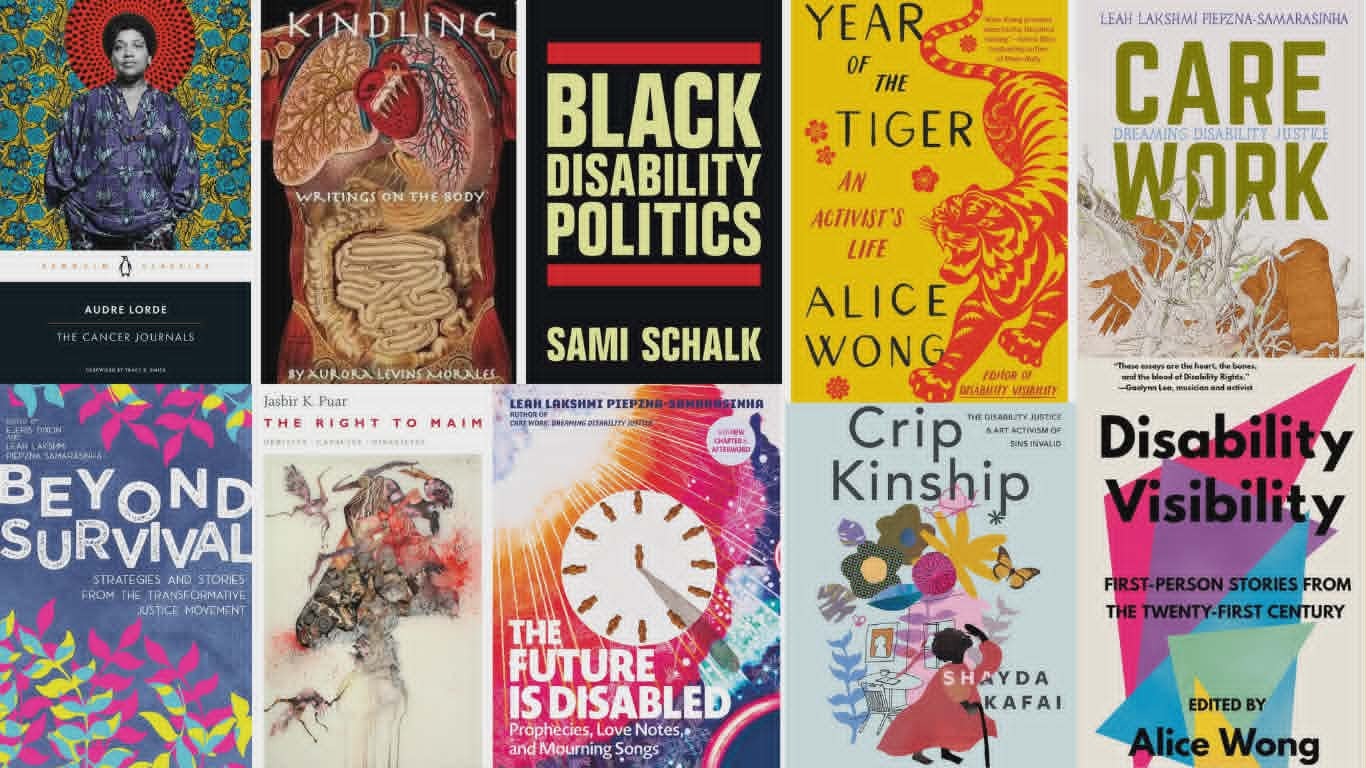
As a Disability Justice Practitioner for a decade, the 1st book I tend to recommend is the Skin, Tooth, and Bone: The Basis of Movement is Our People, A Disability Justice Primer, but during the Q&A period in my free virtual Disability Justice 101 webinar for the American Library Association’s Social Responsibilities Round Table's Health Equity in Action Summit, I was asked about other books I would recommend by a librarian in attendance.
Having long thought about doing a bookish post, that exchange from April 30 prompts my attempt to expand on my To-Be-Read (TBR) list from my Disability Justice Psychoeducation webpage, so I hope these insights resonate.
*Please note that the order of these books does not reflect any hierarchy in terms of my recommendation of one above another, as I have only managed to listen to The Cancer Journals in its entirety while writing this newsletter post, hence it is listed first, but feel strongly that all of these book recommendations could sharpen one's Disability Justice lens.*
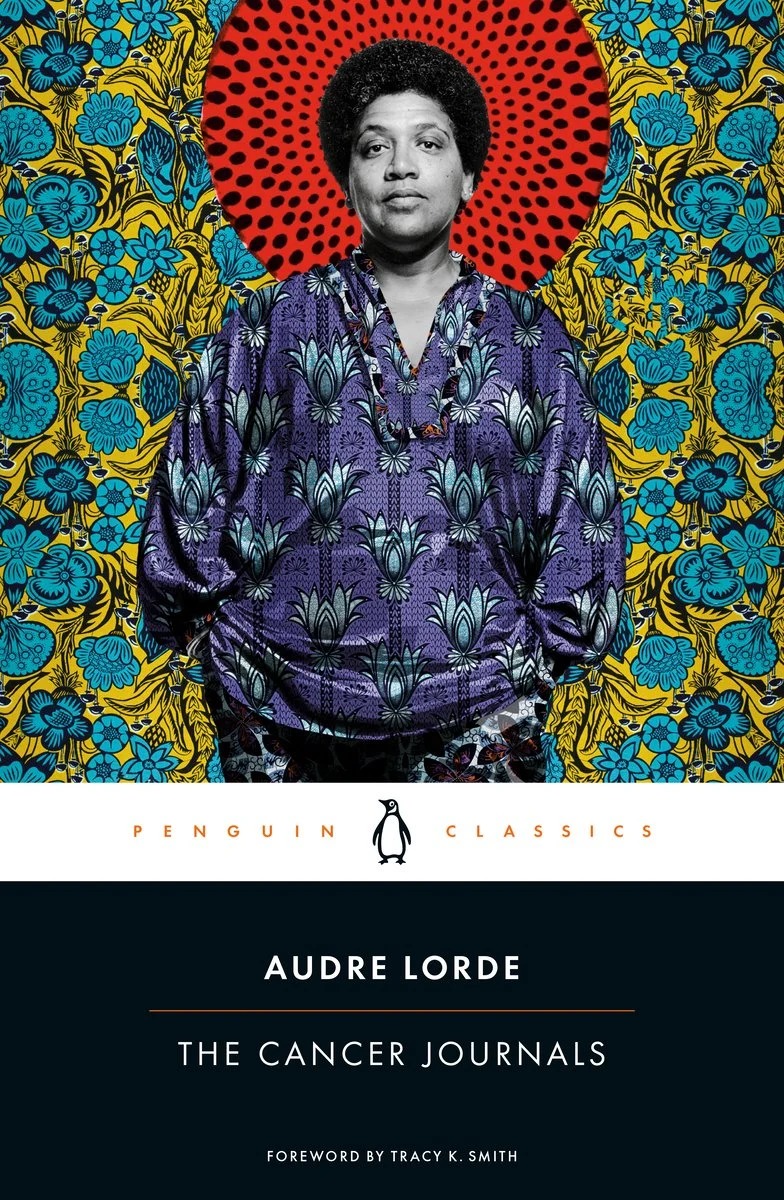
The Cancer Journals by Audre Lorde
If new to this late author's work, I would most recommend Audre Lorde's 1981 keynote speech, “The Uses of Anger: Women Responding to Racism," as available below to get a glimpse into what you can expect from her book:
What is there possibly left for us to be afraid of, after we have dealt face to face with death and not embraced it? Once I accept the existence of dying, as a life process, who can ever have power over me again?"
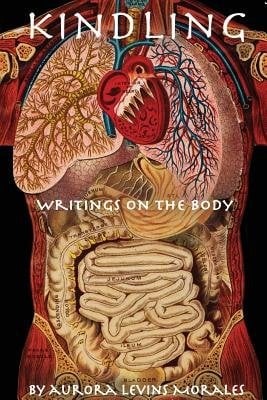
Kindling: Writings On the Body by Aurora Levins Morales
If unfamiliar with this author's work, I 1st fell in love with Aurora Levins Morales' poetics upon reading her joint Disability Liberated poem with David Langstaff & the late Patty Berne in the Disability Justice Primer, as shared below:
What if we told a different story about, say diabetes? What if we said the pancreas had gone on strike from loneliness, from homesickness, from uprootedness and isolation? What if we created healing cells made up of four or five diabetics whose job was to help restore each other's roots and cultivate group solidarity? What if they shared meals cooked for each other twice a week, went on walks together, strategized about protecting their bodies from the stressors in their lives, cried enraged about what's been awful, unfair, practice listening to their bodies deepest hungers as a guide. Tenderly chopped and cooked and seasoned what made them feel most at home in themselves? What if their story was not one of defective organs, unruly appetites and laziness? What if it was a story of homecoming?"
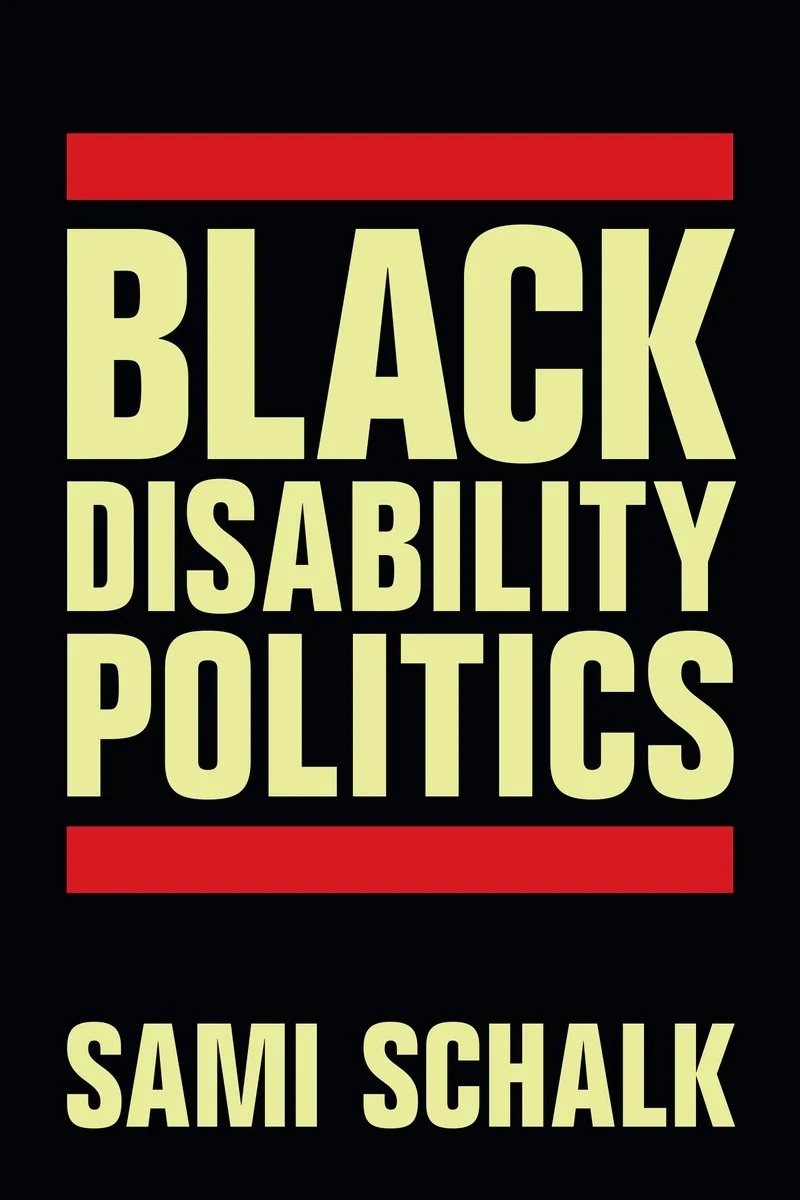
Black Disability Politics by Dr. Sami Schalk
If new to this author's work, Dr. Sami Schalk has invested in making this book open access, so it is available for download free of charge here, which is a testament to her class consciousness as a Black queer disabled scholar.
Writing this book, learning about the incredible labor and sacrifices of activists who came before me in the Black Panther Party and the National Black Women’s Health Project, as well as about the continued labor, care, and genius of Black disabled activists and cultural workers today, has changed me, fueled a fire in me that had gone quite dormant. This book that you hold (or scroll through on your screen or listen to) has become my own way of taking up Mary Hooks’s mandate for Black people in this time. I began the project in order to understand how Black people have addressed disability as a political concern. The research process of finding how those freedom fighters addressed the way disability is experienced and, at times, inflicted on Black populations has helped me know that the only way I can understand my own experiences with disability, illness, and pain is through the lens of Blackness, of Black disability."
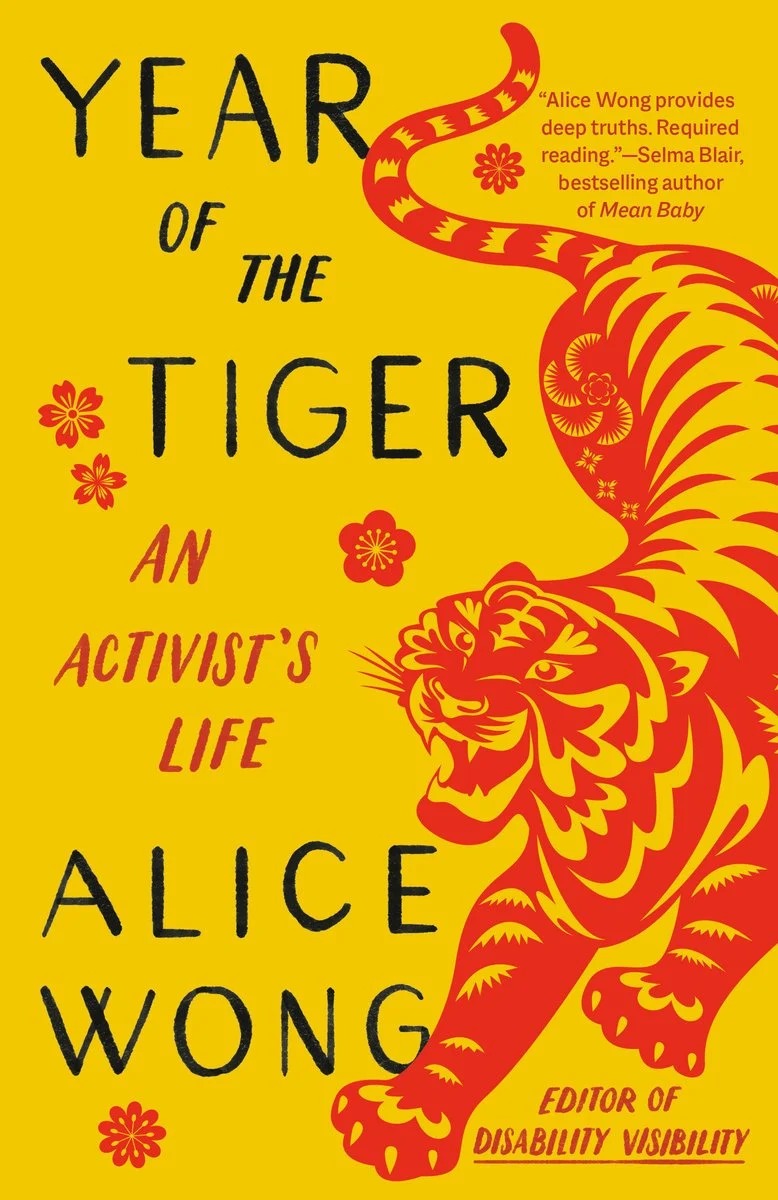
Year of the Tiger: An Activist's Life by Alice Wong
If new to this late author's work, I would most recommend Alice Wong's 2023 Why Palestinian Liberation Is Disability Justice essay from her Disability Visibility Project to get a glimpse into what you can expect from her memoir.
I realized in 2020 that the time to tell my story was now or never. That's what being a high-risk ventilator user who was deprioritized by the State of California for lifesaving vaccines will do to you. Sheltering in place with your seventy-plus-year-old parents, who are also high risk, for over a year amid anti-Asian violence and hate will do that to you, too. Instead of having a medioce white man's midlife crisis and buying combustible self-driving Tesla or investing in cryptocurrency for "true freedom," I decided to write a memoir at this age- the age I was never supposed to reach, during a time I was never supposed to occupy. I will never have children, but my work, stories, and relationships are my legacy, and this book you are reading is the latest contribution to the Canon of Alice."
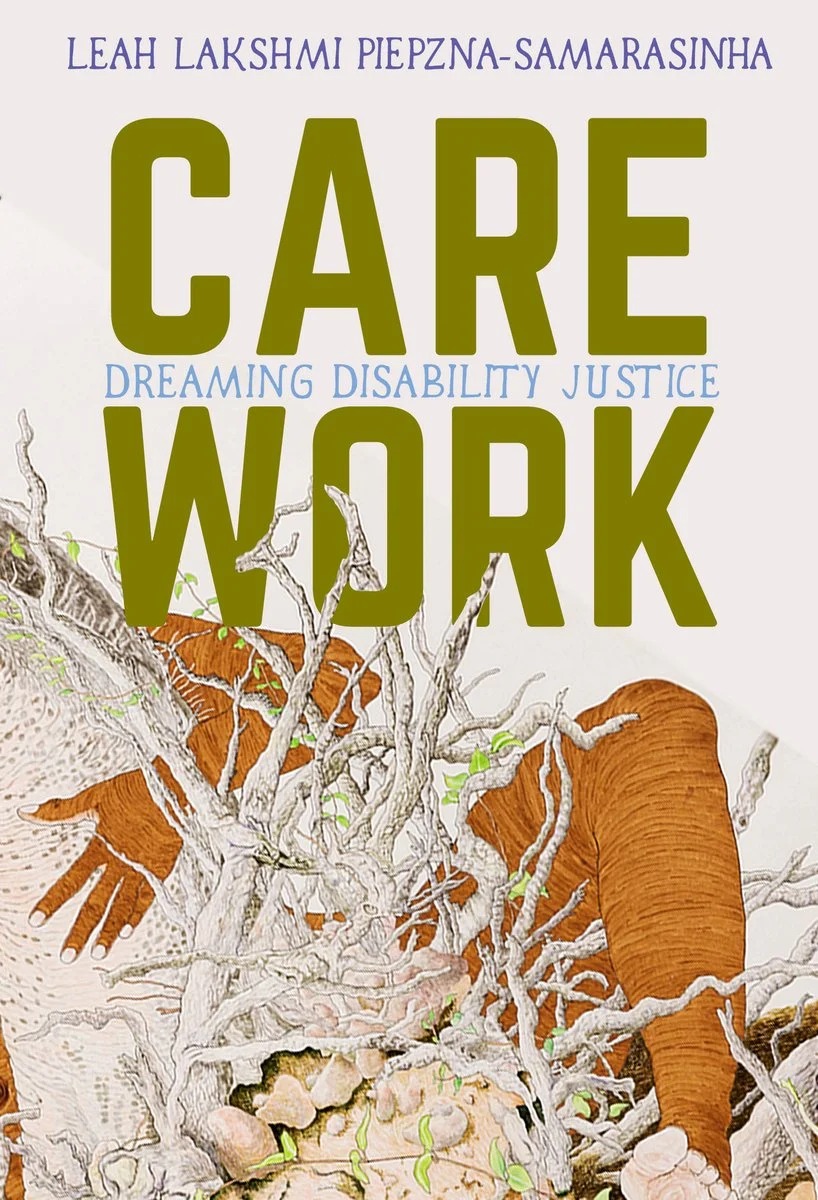
Care Work: Dreaming Disability Justice by Leah Lakshmi Piepzna-Samarasinha
If new to this author's work, my best recommendation to introduce you to Leah Lakshmi Piepzna-Samarasinha's brilliance would be their 2017 A modest Proposal for a Fair Trade Emotional Labor Economy essay, at least partially because of how it informed my conceptualization of Access Intimacy Abuse.
What does it mean to shift our ideas of access and care (whether it’s disability, childcare, economic access, or many more) from an individual chore, an unfortunate cost of having an unfortunate body, to a collective responsibility that’s maybe even deeply joyful? What does it mean for our movements? Our communities/fam? Ourselves and our own lived experience of disability and chronic illness? What does it mean to wrestle with these ideas of softness and strength, vulnerability, pride, asking for help, and not—all of which are so deeply raced and classed and gendered? If collective access is revolutionary love without charity, how do we learn to love each other? How do we learn to do this love work of collective care that lifts us instead of abandons us, that grapples with all the deep ways in which care is complicated?"
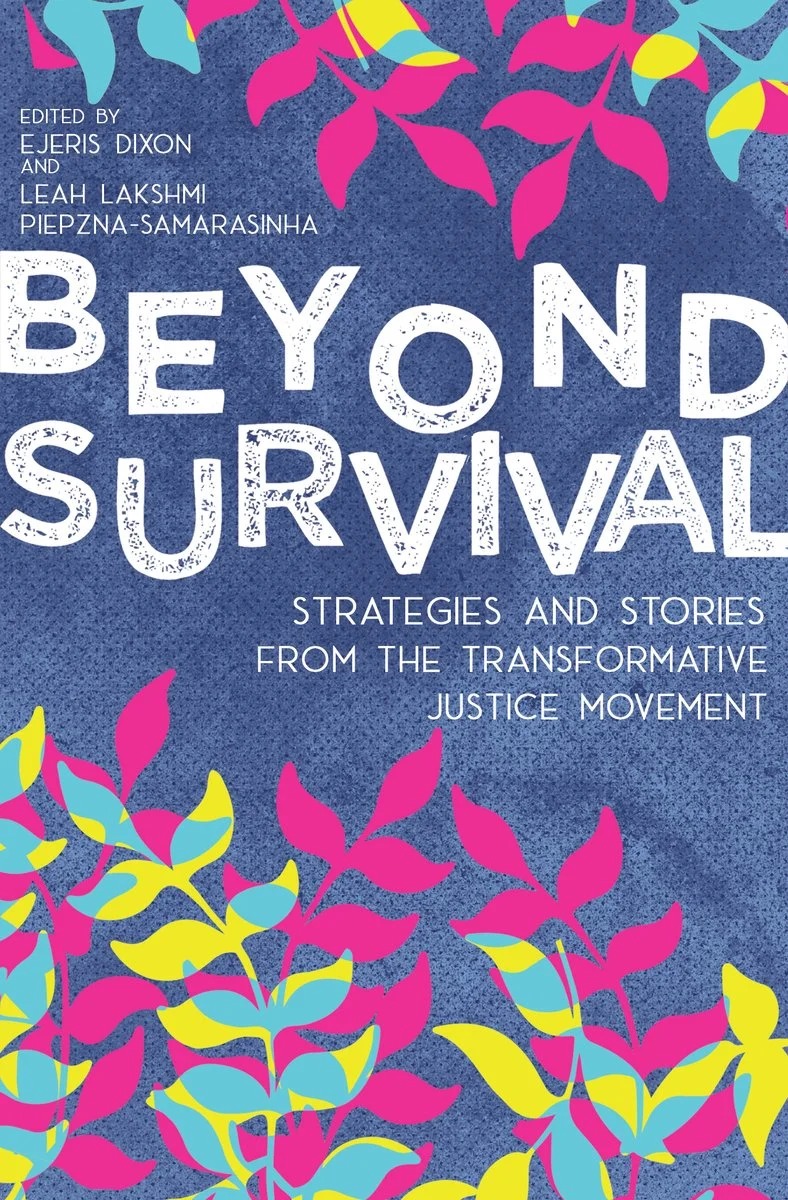
If new to the work of co-editor, Ejeris Dixon, I would most recommend her 2015 Building Community Safety: Practical Steps Toward Liberatory Transformation op-ed, but I would be remiss if I did not encourage you to tune into this fireside chat with Ejeris Dixon, Leah Lakshmi Piepzna-Samarasinha, RJ Maccani, YaliniDream, Woods Ervin, and India Harris, as moderated by Kenyon Farrow, one year after the publication of Beyond Survival: Strategies and Stories from the Transformative Justice Movement:
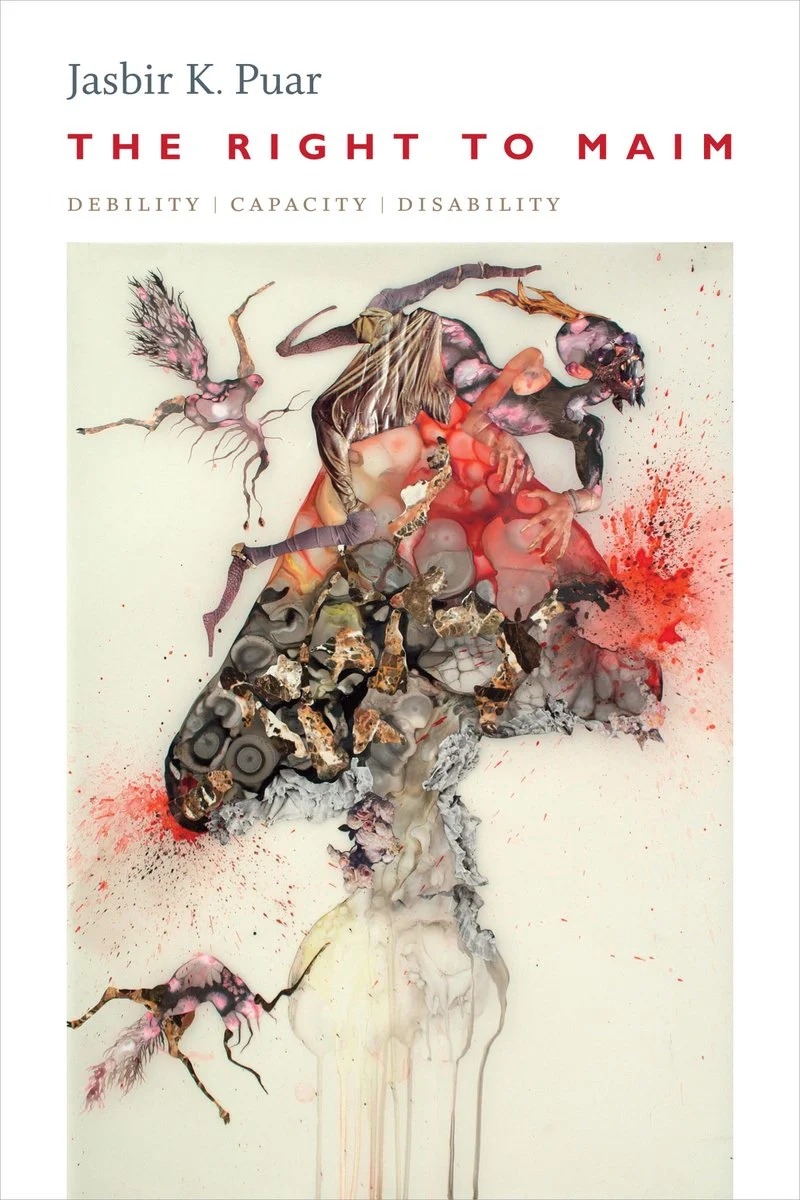
The Right to Maim: Debility, Capacity, Disability by Jasbir K. Puar
If new to this author's work, reading Jasbir K. Puar's article below may shed light on what you can expect from her writing, as she draws connections between settler-colonialism and debility, which Palestine's plight epitomizes:
If slow death is conceptualized as primarily through the vector of “let die” or “make die,” maiming functions as “will not let die” and, its supposed humanitarian complement, “will not make die.” Maiming masquerades as “let live” when in fact it acts as “will not let die.” For example, the IDF policy of shooting to maim, not to kill, is often misperceived as a preservation of life. In this version of attenuated life, neither living nor dying is the aim. Instead, “will not let die” and “will not make die” replace altogether the coordinate “make live” or “let die.” It is not only the right to kill but also the right to maim that is being exercised as the domain of sovereignty. What kind of sovereignty is being articulated when the right to kill is enacted as the right to maim, to target both bodies and infrastructure for debilitation? This element of biopolitics entails targeting for death but not killing."
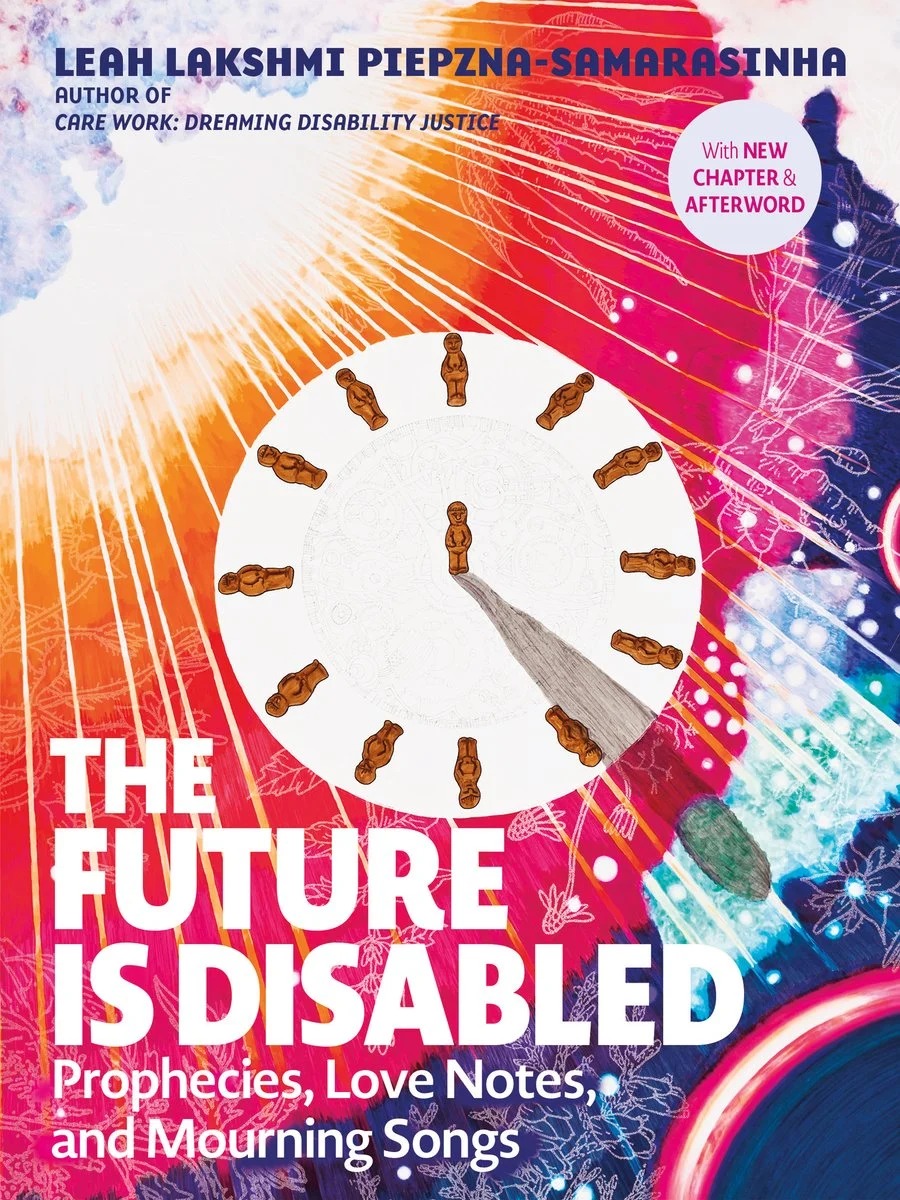
The Future Is Disabled: Prophecies, Love Notes and Mourning Songs by Leah Lakshmi Piepzna-Samarasinha
Since you have already been introduced to this author's prose earlier, I will encourage you to check out Leah Lakshmi Piepzna-Samarasinha's poetry to get a further understanding of their brilliant Disability Justice perspective.
This is why I believe some of disability justice’s most important work lies in how we’ve created space for BIPOC people (and, secondarily, Others) to identify as disabled, chronically ill, Deaf, or neurodivergent, through our creation of Black-and brown-centered disabled, sick, Deaf, and neurodivergent communities and politics. Community building isn’t always seen as “real activism” (whatever) but the work we do to create disabled Black and brown community spaces, online forums, hashtags, and artwork is lifesaving because it creates space for disabled BIPOC to come out as disabled. I mean big organized spaces, parties, and cultural events, and I also mean the disabled BIPOC version of “Hey, do you want some of my fries?”: one disabled BIPOC person being friendly and Initiating Hangout Space with another, who might not be ready to be out yet. It’s very difficult to organize for survival, power, and pleasure when people can’t even admit they go to this school, you know?"
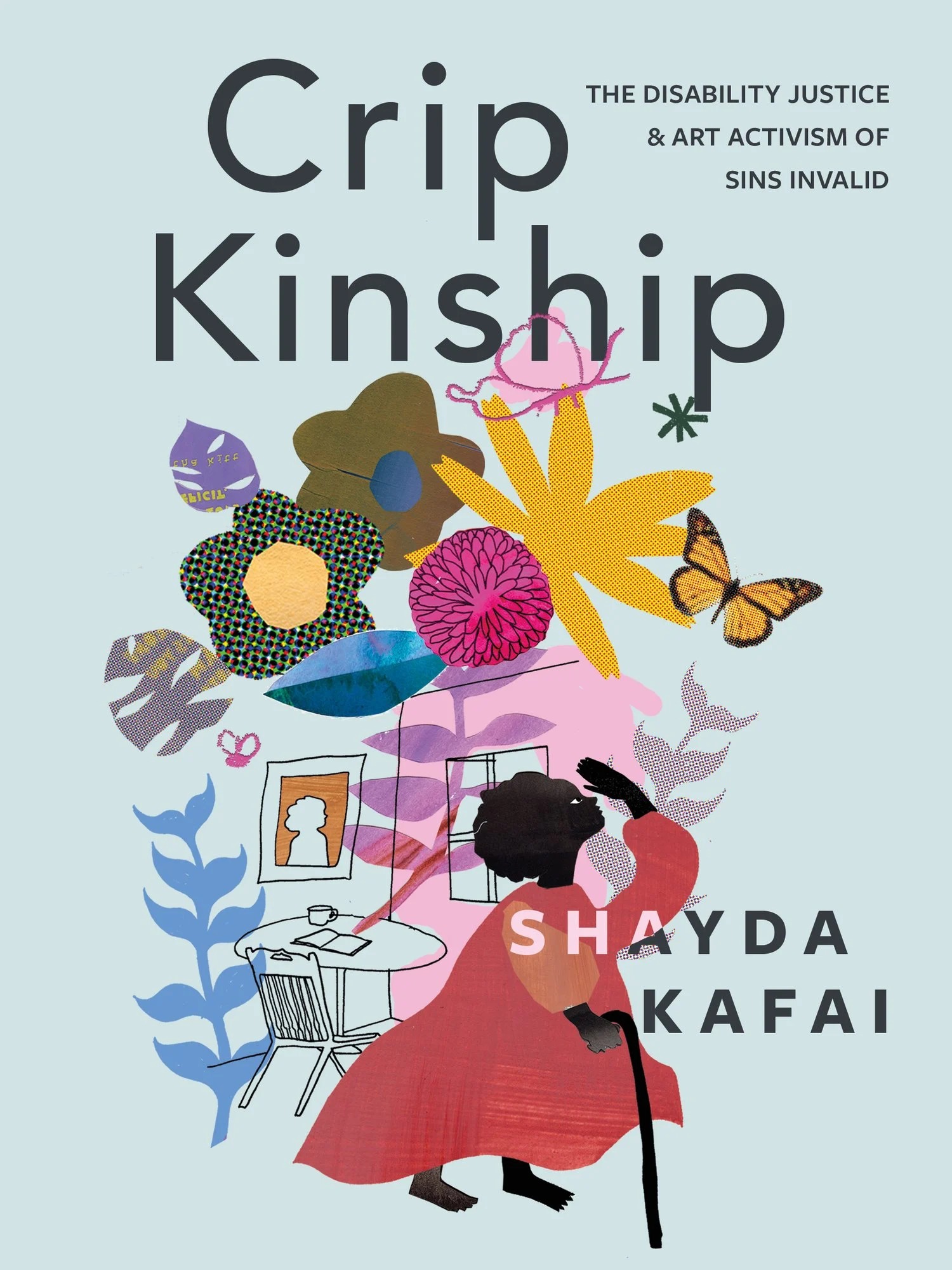
Crip Kinship: The Disability Justice and Art Activism of Sins Invalid by Shayda Kafai
If new to this author's work, Shayda Kafai's brilliance is clear from her 2020 essay about the politics of mad femme disclosure, seen below:
Crip-centric liberated zones aim to heal and hold transformative space for all our bodyminds. When I began imagining what a place like this would do and how it would function, I kept arriving to the somatic, to embodied reactions. I thought of how, at many points in my life, I felt like I was holding back parts of myself to the point of breakage. My bodymind recalls two moments here. One is associated with my queerness, the other with my Madness. I remember how the pressure and weight of culture and family buried my queerness and how, after a while, it became absence and void. Madness occupied a similar sensation. I did not think I could professionally disclose without risking a bombardment of stereotypes, without being reduced in all the toxic ways that nondisabled supremacy and sanism reduce the Mad. Anyone who has had to swallow parts of themselves knows how this causes bodymind wreckage, how it causes loss, and how it distances us from ourselves. I also remember how disclosure and naming my Mad queer bodymind felt like breakage of another kind: a joyous explosion, a liberation of feelings. I remember that I arrived at this place of abundance and rootedness because I had found my disabled, queer of color community."
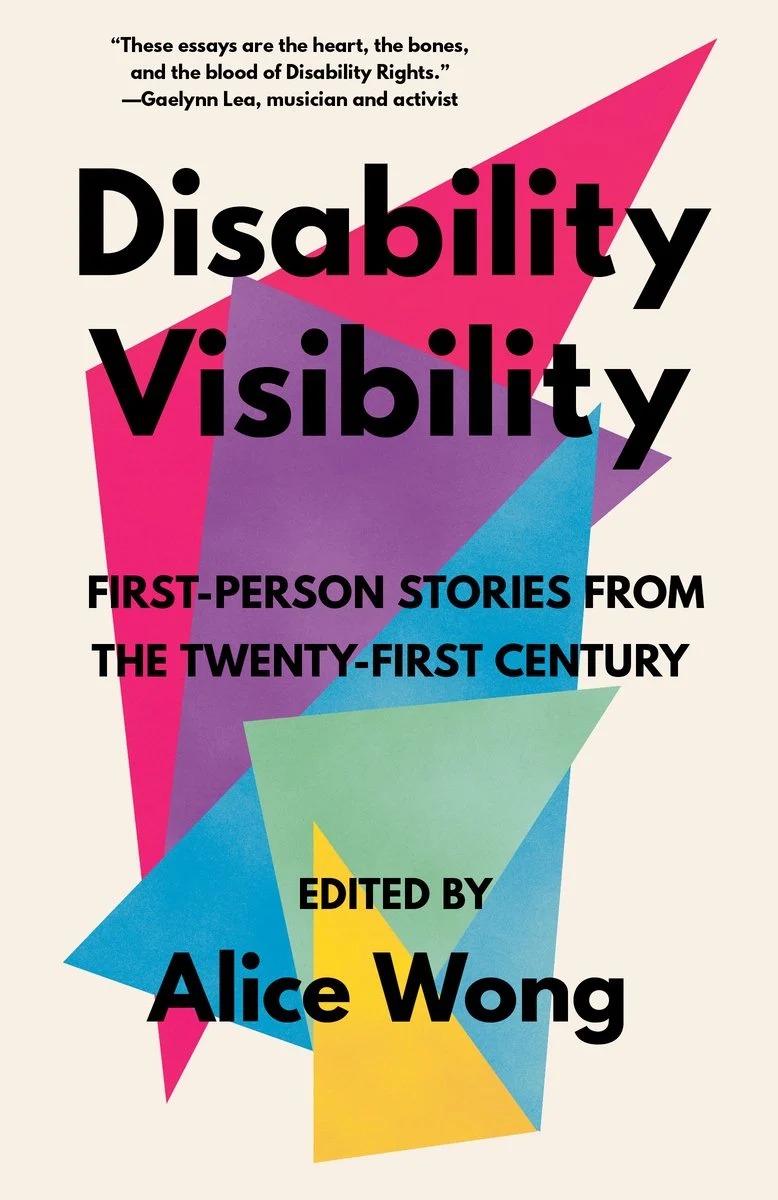
Disability Visibility: First-Person Stories from the Twenty-First Century, edited by Alice Wong
I introduced you to Alice Wong's brilliance with her memoir above, so I will ask you to honour her legacy by contributing to Crips for eSims for Gaza, which she collaborated with Leah Lakshmi Piepzna-Samarasinha and Jane Shi on, until her death. Below, is a quote from Keah Brown's Nurturing Black Disabled Joy essay in this collection, whose 2019 debut, The Pretty One: On Life, Pop Culture, Disability, and Other Reasons to Fall in Love with Me, is iconic.
Embracing my own joy now means that I didn’t always. Hope is my favorite word, but I didn’t always have it. Unfortunately, we live in a society that assumes joy is impossible for disabled people, associating disability with only sadness and shame. So my joy—the joy of professional and personal wins, of pop culture and books, of expressing platonic love out loud—is revolutionary in a body like mine. I say this without hyperbole, though fully aware that the thought may confuse, frighten, or anger people. As a Black woman with cerebral palsy, I know what it is like to encounter all three."
If able to contribute to my survival following my ex's financial abuse of at least $183,364, which further disabled me, alongside white supremacist workplace trauma, e-transfers within "Canada" may be sent to krystaljagoo@gmail.com and funds may be sent via PayPal below, so please consider supporting me! 🙏🏾
BTW, on the off chance that you are looking for a gifted equity practitioner and educator for virtual services like writing, facilitation, and consulting, you are welcome to peruse my CV below, and explore paid services here.
Post a comment