Why This Cannabis User Discourages Cannabis Use Until 30
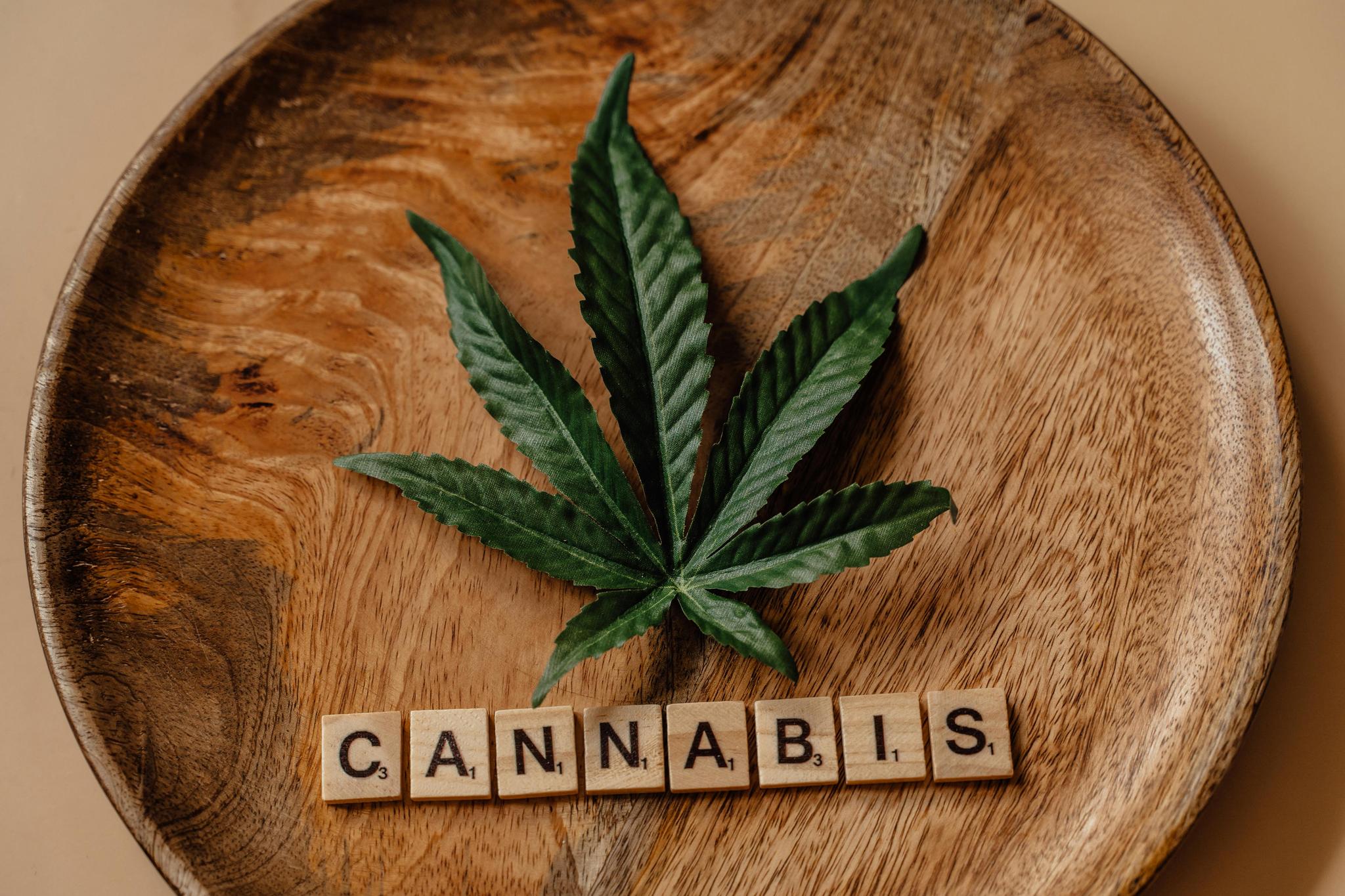
After I reference my bedtime edible use in last week's post, trust the largest US study on the impact of cannabis among teens to be published, necessitating this subsequent newsletter post with a headline that may appear hypocritical.
Good thing my LURNN Newsletter stands for Learning, Unlearning, & Relearning with Nuance & Narratives, as there needs to be a great deal more nuance when discussing cannabis or we run the risk of doing more harm than good.
Some know I did not 1st attempt cannabis (with a gradual process from trying CBD, and not finding it helpful, which prompted use of THC) until I was struggling so much with increased back pain and migraines (that contributed to sleep issues, which then triggered more migraines for me, as has been the case for the last decade since white supremacist workplace harassment first hijacked my sleep and exacerbated migraines and chronic back pain) that I missed an interview with a source for my highest paying writing client by then, which I discussed in a 2022 Verywell Mind essay, before they discarded me, since they had moved on from their 2020 Anti-racism Pledge by then.
Prior to sleep issues after I turned 30, while surviving workplace harassment from the white supremacist Executive Director at my therapist job, I had never even tried cannabis, as I imagined doing so would disappoint Pappy, my late maternal grandfather, in part, due to the 1990s "war on drugs" propaganda that had worked particularly well on me!" 🤡
When I began providing counselling services for various ages, I heard numerous reports of cannabis use from teenagers and adults alike, as it helped clients to manage pain, anxiety, sleep issues, low appetite, etc. My only caution was that cannabis use prior to the age of 30 could contribute to greater risks of psychosis given that our brains are still developing until then. That remains a significant concern, but the largest American research study conducted on teenagers now reports that cannabis use was also correlated with slower processing times, heightened memory challenges, etc., hence this newsletter post, as I always want others to be able to make informed decisions, as I know well how I wish I got to make more informed choices. The full study can be viewed open access here, with a conclusion that states:
Adolescence marks a period of substantial development, but cannabis use may constrain one’s full cognitive developmental performance. Data here indicate novel restricted improvement and flattened neurocognitive trajectories in youth (ages 9–17) who initiate cannabis use, after accounting for within-person change and numerous known confounds and improving accuracy in cannabis groupings through incorporating toxicological measures. Unique analyses harnessing objective toxicology demonstrate that THC use may specifically relate to episodic memory performance over time during this developmental period. Findings support interventions aimed at delaying cannabis initiation during early adolescence and integrating neuroscience-informed psychoeducation about cognitive development during sensitive periods [94,95,96]. Continued monitoring of this cohort will clarify cannabinoid-cognition relationships into young adulthood, including the impact of timing of cannabis use initiation."
Until COVID-19 hit, I had not considered how often some may be forced to choose between their physical and mental health. Unfortunately, when a brown queer Muslim student of mine had been struggling without access to his therapist while sheltering in place with family with whom he was not out, I grew increasingly concerned about his mental health whenever we checked in. Given how flat his affect sounded on the earlier call, I was pleasantly surprised to hear him sounding more like himself, so I asked what had helped. He lowered his voice to a whisper, as he admitted that he had snuck out to see his boyfriend despite ongoing local quarantine measures. While desperately hoping he would not regret endangering his physical health for the sake of his mental health, I had to admit that I understood his choice, as I was grateful to hear this young man sound more like his animated self.
I share this anecdote because we may each make different judgment calls regarding the risks and benefits of any action, but I at least attempt to facilitate informed decision-making, especially for marginalized groups, even if your individual choice may differ from mine."
If reading about the risks associated with cannabis use helps you or loved ones of yours to make more informed decisions regarding substance use, then I hope that you will consider supporting my work with a monetary contribution below, if able. Should you benefit from my Disability Justice 101 psychoeducation, I am presenting on the Disability Justice framework at 830-930 am CST/930-1030 am EST on Thursday, April 30, 2026, so please register to join the American Library Association’s Social Responsibilities Round Table (SRRT) for a virtual summit on “Health Equity in Action," as it is free to attend!🫂
If able to contribute to my survival following my ex's financial abuse of at least $183,364, which further disabled me, alongside white supremacist workplace trauma, e-transfers within "Canada" may be sent to krystaljagoo@gmail.com and funds may be sent via PayPal below, so please consider supporting me! 🙏🏾
BTW, on the off chance that you are looking for a gifted equity practitioner and educator for virtual services like writing, facilitation, and consulting, you are welcome to peruse my CV below, and explore paid services here.
Post a comment