Why I Called My 2023 Workshops BIPOC Disability Justice (Un)Learning "Journeys"
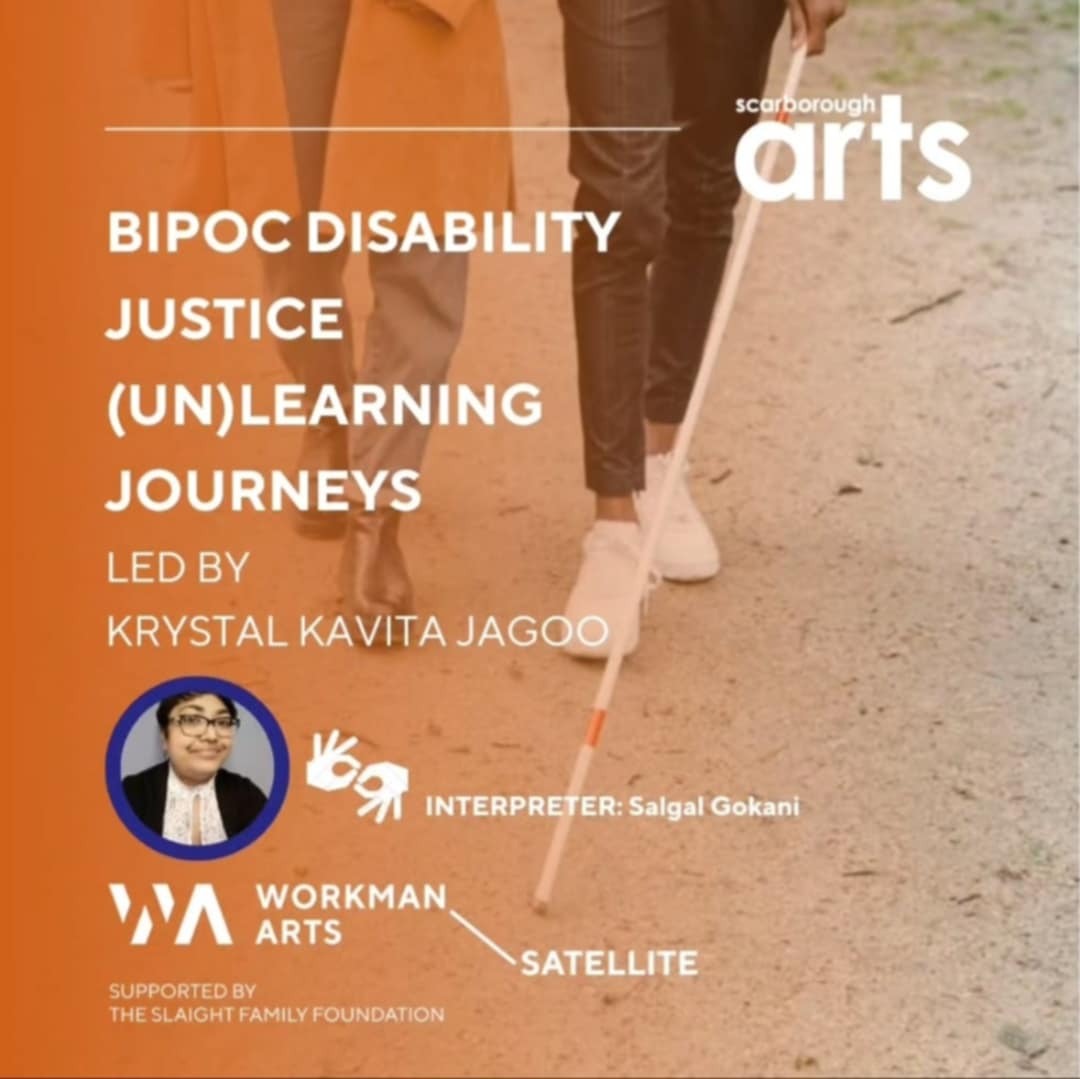
Logically, I know it has been a long journey since my 1st medical leave from the family health team whose white supremacist executive director served me with a disciplinary letter in 2016 that stated I "was hired to practice social work, not social justice," through my 2nd medical leave from "an equity office" at Canada's largest university whose ableist white supremacist divisional and departmental directors had unjustly suspended me for 5 days without pay, claiming that my freelance writing which never named the university once disparaged the institution in 2021, to my current more unpacked-internalized ableism lens regarding how Disability Justice (un)learning is both lifelong and necessary, but I had known this by 2023, when I 1st pitched that series for grant funding to my local arts service organization, Scarborough Arts, for which, it was selected, when Workman Arts last paid CARFAC rates.
Unfortunately, some of you may want this maze of a journey of unpacking internalized ableism to be more like the flip of a switch than the radical unlearning required, but that is only wishful thinking, partly because of our current inherently white supremacist settler-colonialist Turtle Island context, in which an arts organization can claim to care about individuals with mental health challenges while paying us at rates that are substantially less than what is recommended on a national level for artists, as if that is not plausibly likely to contribute to further adversity, which can intensify our challanges! 🤡
But even if I never reap the benefits of my Disability Justice work, I see the value in that investment of effort for the sake of my favourite human being, my beloved Black teenage niece, who often guides my actions in this world, as you can see from my 2021 essay that was originally published by Verywell Mind, after their performative "2020 Anti-Racism Pledge," but before they terminated my contract for refusing to connect a white stranger based in the UK with BIPOC sources for a story they had the audacity to assign to him:
As My Understanding of Privilege and Oppression Evolved, So Did My Relationships
From the fall of 2008 to the spring of 2010, I pursued graduate studies in the anti-oppressive practice of social work. While there was some learning, I've gained a better understanding of equity work from lived experience.
Though I graduated from my MSW with an A- average and professors bid me goodbye with hopes that they would see me in the future for doctoral studies, I still had a great deal more to learn about anti-oppressive practice.
The evolution of my understanding of equity has developed out of situations in which I have been oppressed, often by individuals expected to know better, which drives my commitment to ethical relationships.
Impact Over Intent
A preoccupation with good intentions has justified many atrocities from those with power despite the harm they cause. For instance, when this was first published in 2021, I resided in a country whose prime minister regularly states that he is committed to truth and reconciliation but continues to harm Indigenous children.*
These violations have taught me to consider any privilege I hold in navigating my personal and professional relationships, especially as I have personally been harmed by those who fail to do so.
While power dynamics are often more obvious to me in situations where I have little advantage, I am committed to thinking critically about situations where my relative control over someone else may cause harm.
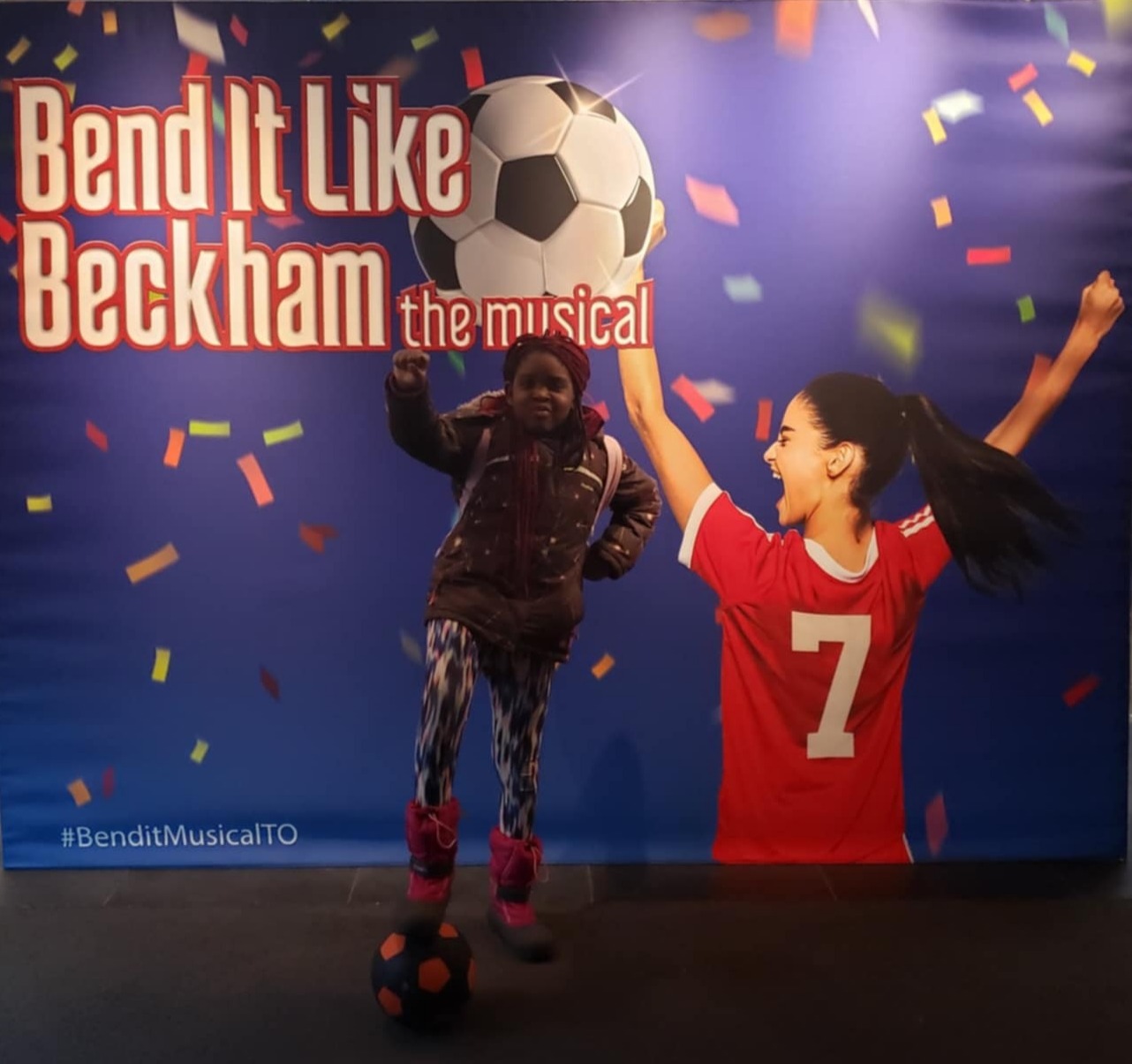
Recently, I got the opportunity to write my first culture essay for a feminist magazine about how BIPOC representation continues to be lacking in media. In my excitement, I realized I had mentioned my niece in the pitch as a reference to how little had changed from my generation to hers without asking if she would be comfortable with me sharing this story.
Although her mother was less concerned as I explained that I would not be using her name or photo in the piece, it was crucial for me to get her consent before proceeding with the commissioned essay. After explaining the situation, she assured me that she did not mind, but that attention to loved ones with less power than me when able remains my priority.
Accountability for Harm
Despite trying to be ethical, social work has taught me the need to be accountable for harm, as that may happen even with my best efforts, so I take that into how I navigate relationships in my personal life too.
What does it mean when a loved one is struggling and I prioritize my desire to help despite how that may not align well with their preference? Unfortunately, it means I may hurt them by prioritizing my own wants.
Having held roles like child development counselor, mental health therapist, and accessibility advisor, I do enjoy supporting others, but what I have had to learn is that sometimes my interest in helping can take precedence over the needs of my loved ones if I fail to unpack this.
Especially as a fat, queer, disabled Indo-Trinidadian immigrant woman and social worker who has now survived white supremacist workplace harassment multiple times, I know how that trauma history can impact my ability to engage with even the most well-meaning white individuals.
With that knowledge, I note how the oppression of my loved ones may make it difficult for them to engage with me, so I try to hold space for what they need, particularly when they are more marginalized than I am. That may mean prioritizing what a loved one who is Muslim, Black, Indigenous, or trans needs to feel safe in the relationship over my comfort at times.
Keeping Positionality at the Forefront
When I look back on the relationships in which I have felt the most violated, it was often intensified by the power they held over me and how they abused that, especially in terms of white social workers in authority.
As my understanding of power and oppression evolves, so does my commitment to ethical and equitable relationships. If a more marginalized loved one needs my help, I am conscious of those dynamics, and I am explicit about how expectations do not accompany any assistance I offer.
Unfortunately, as the eldest daughter of a single immigrant mother, I can easily recall her attempted guilt trips, despite estrangement since 2007, so I am not interested in relationships dictated by power imbalances.
It is why I think critically about what I ask of loved ones who may be more oppressed than me, as I wish white individuals were more ethical in managing our relationships, yet it is why I am close to so few in 2021.
Although consent has become a more normalized part of the discourse in some ways, I am keen on managing relationships with more marginalized loved ones where they always feel safe to decline a request of mine.
Equity Takes Work
I share my approach to ethical and equitable relationships because others who have failed to do the work to unpack their power have harmed me. I've also been capable of similar transgressions unless I was willing to invest further.
Maybe you have never paid as much attention to your relative power and oppression compared to loved ones. Still, especially if those disparities are vast, they have likely had to do that work to navigate your unawareness.
Just as power dynamics make a difference at more significant levels, they can be as influential in personal relationships with loved ones, which is why they deserve greater attention to ensure that we work to minimize harm.
Maya Angelou once stated, "Do the best you can until you know better. Then when you know better, do better." What would it look like for us to know and do better to promote ethical, equitable relationships with loved ones?
Should we have relative power compared to those we care deeply about, we have a responsibility also to disrupt cognitive dissonance regarding the problematic status quo for our more marginalized loved ones.
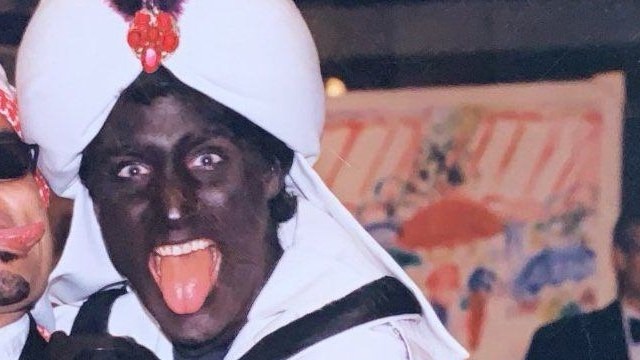
*Updated to reflect the fact that Justin Trudeau is no longer the current prime minister of Canada, but another white man, Mark Carney, who scares me much more than that smiley hypocrite, known for this fuckery:
Like I stated last week, I am working hard to continue my radical unlearning work in the hopes of connecting with others on their radical unlearning journeys because my beloved BIPOC LGBTQIA+ disabled community members will continue to die both long slow deaths through what Dr. Ruth Gilmore calls, "organized abandonment," or breathtakingly hasty deaths that slam grief atop our loved ones in a split second."
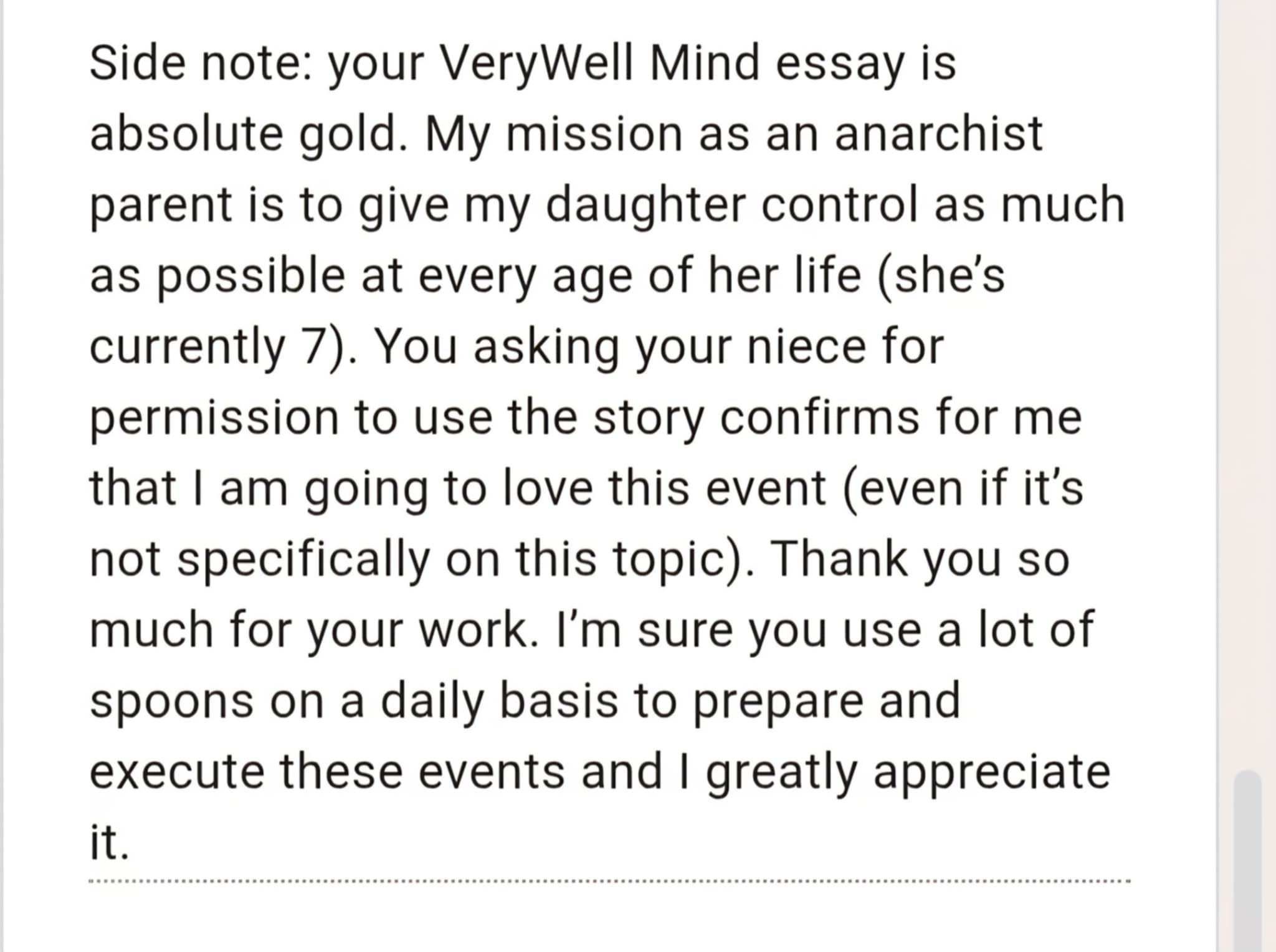
As you can see from this note in a recent request for a free workshop spot, I was reminded that I have been doing this work of Disability Justice, (which has always required radical unlearning for at least a decade, given how demoralizing it was to be forced out of my therapist job in the town I had come to call home from 2014 to 2017 when that white supremacist executive director of the family health team in Port Perry 1st hijacked my hard-earned social work career, committed to anti-oppressive, to my own detriment):
If you missed my free/donations-welcome Disability Justice 101 session last month, you are still welcome to join us for the launch of my next free/ donations-welcome workshop, Access is Love: Weaving Words for Liberation, for which, we will focus on bell hooks' love ethic, as scheduled for 7-9pm EST on Saturday, February 28, 2026, in honour of beloved disabled ancestors like Alice Wong, Patty Berne, Tinu Abayomi-Paul, Shafiqah Hudson, Stacey Park Milbern, Ki'tay D. Davidson, Ruby Goorahoo, Audre Lorde, Sojourner Truth, Harriet Tubman, etc. whose crucial DJ work still inform mine.
This February session will be framed around bell hooks' All About Love: New Visions, which can be viewed as a free PDF here, because after this author's ex drains her of $183,364+ to the point of where she is so disabled from his gender-based violence and repeated white supremacist workplace trauma that she is considering a medically assisted death, she has to return to the basics to ensure that she does her best to warn her beloved BIPOC LGBTQIA+ disabled communities how she only wishes his earlier victims had warned her.
While you are welcome to read the entire book, please know that both bell hooks' experts and those who are only newcomers to her brilliance are equally welcome at the session, as I can write an entire set of encyclopedia about men who I never even had reason to take to Red Lobster, whose statements about love proved as believable as Donald Trump deserving a peace prize! 🤡
While I continue to offer free spots, my monthly Disability Justice workshops are made possible by generous donations from paid Ko-fi subscribers, so please consider supporting my DJ work here, if able to contribute financially.
If new to my virtual spaces, I give registrants the 1st 5 minutes to arrive before starting, but generally continue to let folx in until the end. Usually, materials are emailed at least a day before, should advance access aid with feeling comfortable to participate. Attendees are welcome to engage on their own terms, i.e., with no implicit expectation of being on camera, communicating verbally or in the chat, etc. Around the halfway point, a 15-minute-long break is facilitated, after which participants are invited to explore a writing prompt during designated quiet time of 10-20 minutes, depending on preferences. Once the timer ends, participants are invited to share what they wrote or discuss how the process went for them, based on capacity, comfort, interest, vibes, etc. Throughout the workshop, my approach is consent-based, i.e., folx are encouraged to read slides, share feedback, etc., and only those who volunteer to do so are invited to engage further, as there is no pressure to participate beyond one's capacity.
If able to contribute to my survival following my ex's financial abuse of at least $183,364, which further disabled me, alongside white supremacist workplace trauma, e-transfers within "Canada" may be sent to krystaljagoo@gmail.com and funds may be sent via PayPal below, so please consider supporting me! 🙏🏾
BTW, on the off chance that you are looking for a gifted equity practitioner and educator for virtual services like writing, facilitation, and consulting, you are welcome to peruse my CV below, and explore my services here.
Post a comment