If PCOS Was Called PMOS Decades Ago, Would That White Straight Male Doctor Have Cared?
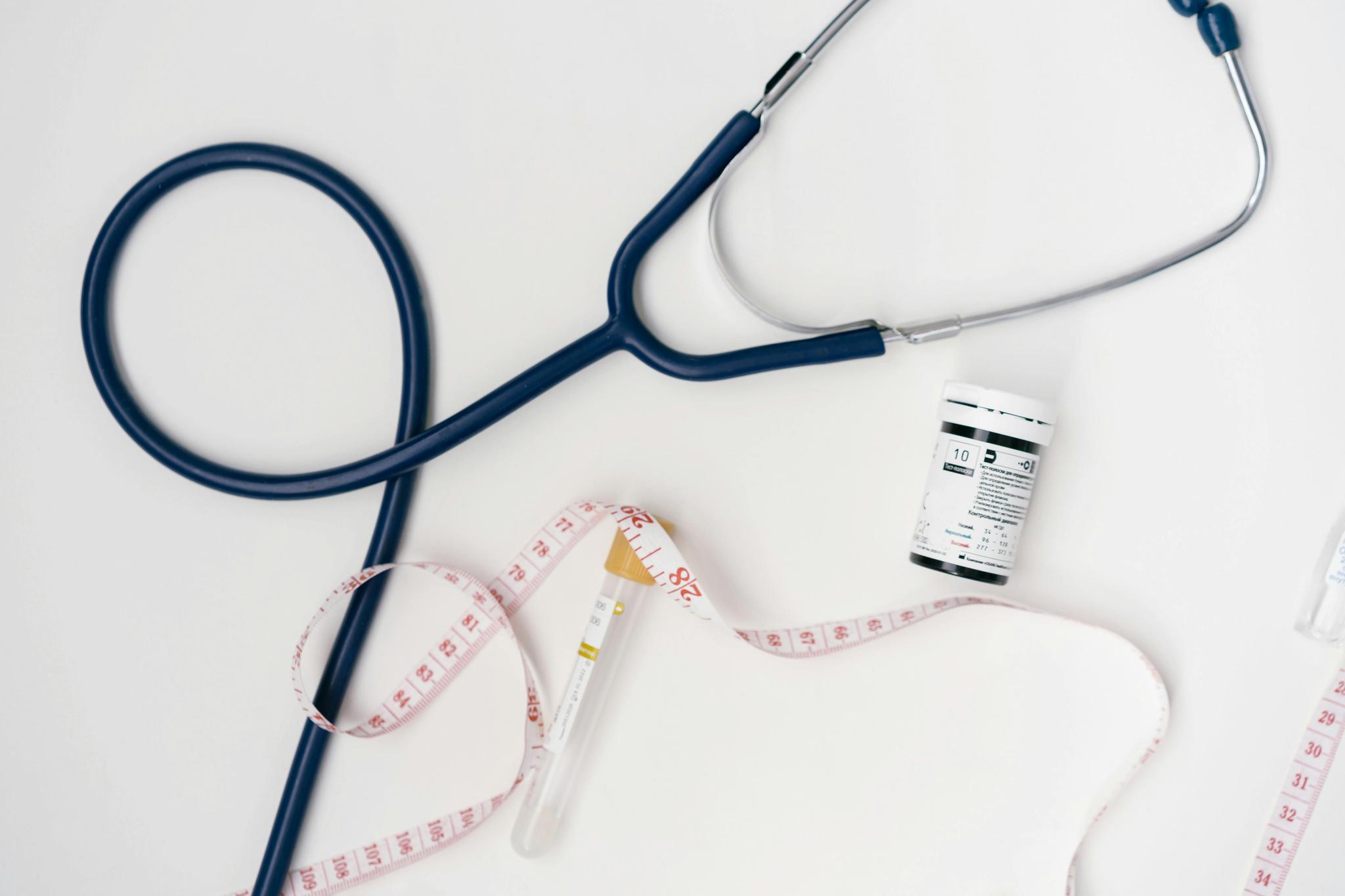
The year was likely 2013 when I went to a local walk-in clinic in North Bay, Ontario, naïvely expecting respect. I knew that the doctor working that evening regularly referred his patients to me for mental health therapy at the North Bay Regional Health Centre's Mental Health Clinic, so I assumed that he could have been trusted with my care. Upon entering the exam room, he 1st felt the need to tell me that this was a poor use of the walk-in clinic as if I only wanted contraception, I should have just gone to the Public Health Unit.
To be clear, if I only wanted birth control to have loads of sex without an unwanted pregnancy, that would have still been a valid reason to access medical care!"
I remember how much self-control it took to maintain my composure during his maddening misogyny, packaged as condescending psychoeducation for a patient whose bodily autonomy did not appear to be worth prioritizing.
Despite wanting to call out his fuckery, my ability to get the necessary birth control to regulate my heavy periods to manage my low iron on top of what was then called polycystic ovary syndrome (PCOS) still depended on him.
Given that this exchange occurred between 2010 and 2014, I had not yet faced white supremacist workplace trauma from the medical-industrial complex and the academic-industrial complex that would leave me jobless, traumatized, and further disabled, so I was able to code switch to outline my laundry list of health conditions that made birth control pills a necessity.
As those of us who have to barter our humanity on what feels like an hourly basis know well, our access to the care we have always deserved is often mediated by ableism, anti-fatness, queerantagonism, white supremacy, settler-colonialism, classism, etc."
Earlier in May, news broke that PCOS was renamed as polyendocrine metabolic ovarian syndrome (PMOS), so I cannot help but wonder if that maddeningly misogynistic white straight male doctor may have seen my humanity more if it had been called PMOS earlier to reflect the debilitating nature of PMOS's multisystem endocrine and metabolic impacts.
As a fat brown queer disabled immigrant woman, it is no wonder why I feel compelled to do Disability Justice work so long as breath continues to bestow both its blessing and curse upon me."
What does it mean for people to actively take stock of their capacities, forms of embodiment, and relationships to institutional power? Sometimes it could mean being honest about our physical, cognitive, or emotional limitations, and asking for the kinds of support we need. It could also mean recognizing that ableism has over-valued our perceived bodily or mental capacities in ways that can profoundly obscure the strengths and creativity people with disabilities hold. At other times it might mean challenging internalized ableism and embracing what our bodies or minds do have the capacity for. Or it could mean learning to honestly identify and use our relative privileges in order to support collective access and Disability Justice movement-building. However, it’s also important for those working within mixed ability organizing contexts to recognize the ways in which using our relative privilege can inadvertently reproduce the violence and hierarchies of ableism, racism, patriarchy, cissexism, classism, etc. The leadership of disabled people of color and queer, trans, and gender-nonconforming people with disabilities should always be at the center of disability justice movement-building."
PMOS is estimated to affect 1 in 8 females, but I imagine it is astronomically underdiagnosed due to rampant misogyny in the medical-industrial complex, which affects at least 170 million folx of all genders around the world. As a Disability Justice Practitioner for a decade, I have long understood why this framework is necessary for my continued ability to afford an existence.
If new to thinking critically about how oppression disproportionately limits access to equitable outcomes for some of us, I highly recommend reading the Skin, Tooth, and Bone: The Basis of Movement is Our People, A Disability Justice Primer to learn more about this framework, which I referenced heavily during my free virtual Disability Justice 101 webinar for the American Library Association’s Social Responsibilities Round Table's Health Equity in Action Summit last month, which prompted my 1st bookish newsletter.
For that recorded webinar, I created both of these Disability Justice resources, so please feel free to explore them at your leisure to learn more about the framework created by Sins Invalid over two decades ago for our liberation:
If able to contribute to my survival following my ex's financial abuse of at least $183,364, which further disabled me, alongside white supremacist workplace trauma, e-transfers within "Canada" may be sent to krystaljagoo@gmail.com and funds may be sent via PayPal below, so please consider supporting me! 🙏🏾
BTW, on the off chance that you are looking for a gifted equity practitioner and educator for virtual services like writing, facilitation, and consulting, you are welcome to peruse my CV below, and explore paid services here.
Post a comment